Thermal Baths
Hungary is world-renowned for its thermal bath culture, with more natural hot springs than any other capital city on earth. Budapest alone boasts over 100 geothermal springs, and t...
19 listings found
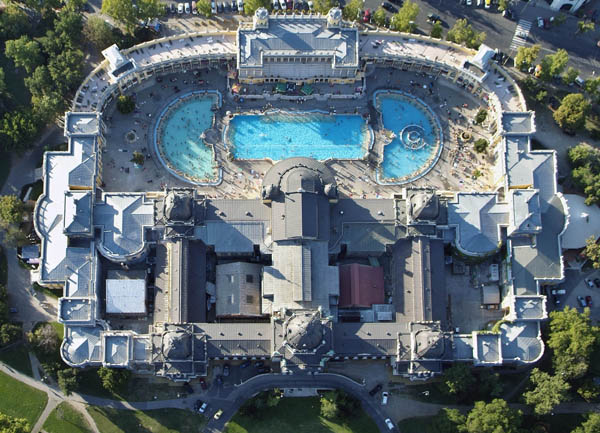
Széchenyi is the largest medicinal bath in Europe and one of Budapest's most iconic landmarks. Built in 1913 in the neo-baroque style, the grand yellow palace houses 18 pools — three outdoor and 15 indoor — fed by two thermal springs reaching 74–77°C. The mineral-rich waters are recommended for joint problems, rheumatism, orthopaedic conditions, and traumatology. The outdoor pools remain open year-round, creating the famous spectacle of bathers playing chess in steaming water during winter. The complex includes a full range of wellness services: Finnish saunas, steam cabins, massage treatments, and a salt chamber. Tickets can be purchased online or at the door. Locker rooms, towel rental, and swimwear are all available on site.

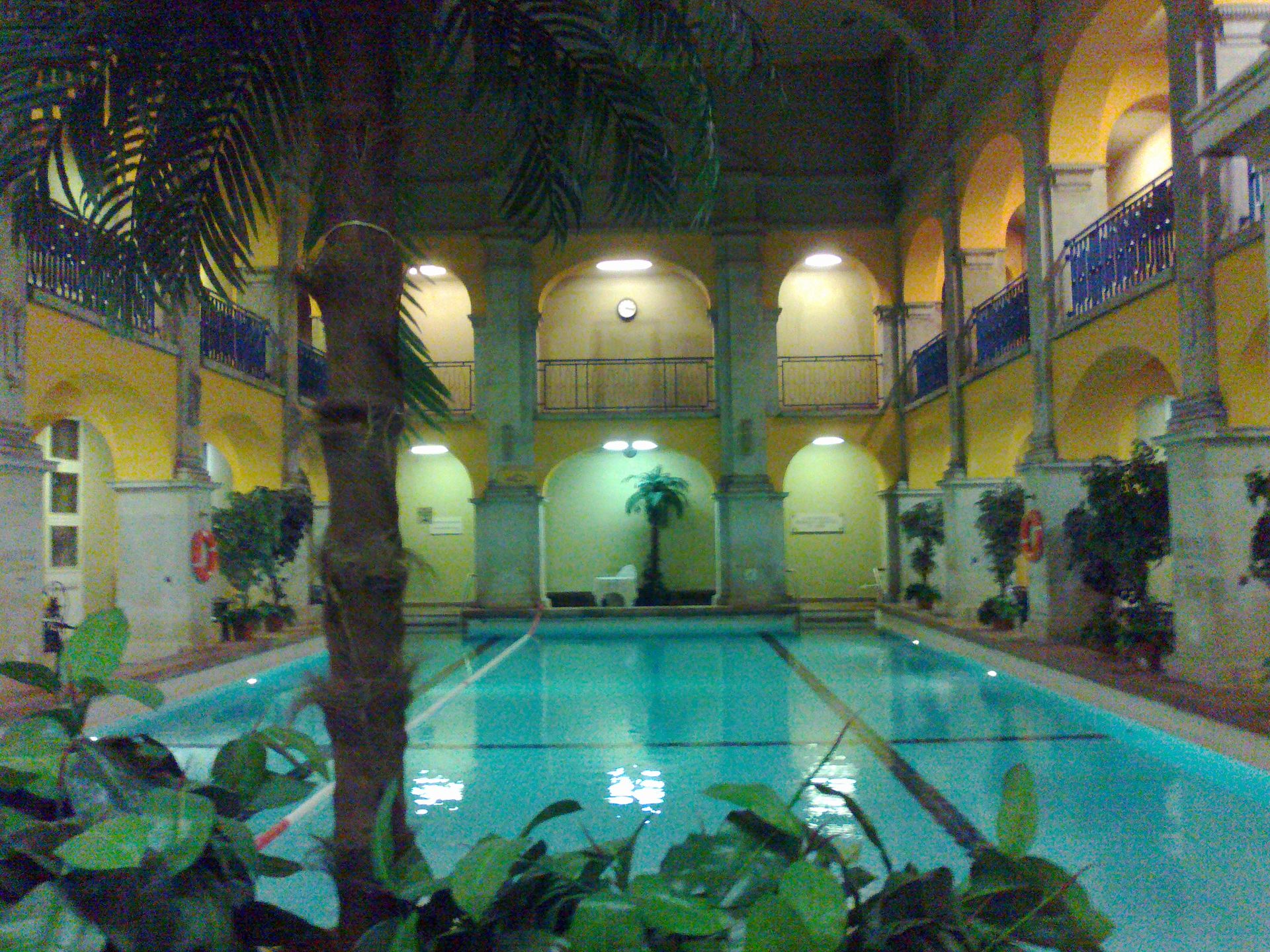
Rudas is Budapest's most atmospheric thermal bath, its Ottoman-era octagonal pool dating to 1566 making it one of the oldest functioning baths in Europe. The original Turkish pool sits beneath a stunning 16th-century domed ceiling, its coloured glass oculi casting shafts of light onto the steaming emerald water. The bath was extensively renovated in 2005, adding a spectacular rooftop wellness pool with panoramic views over the Danube and the Buda Castle. Rudas offers thermal pools at varying temperatures (16–42°C), saunas, steam rooms, and an extensive massage menu. On Friday and Saturday nights the rooftop pool transforms into a vibey after-dark experience. The medicinal waters are recommended for locomotor and degenerative joint conditions.
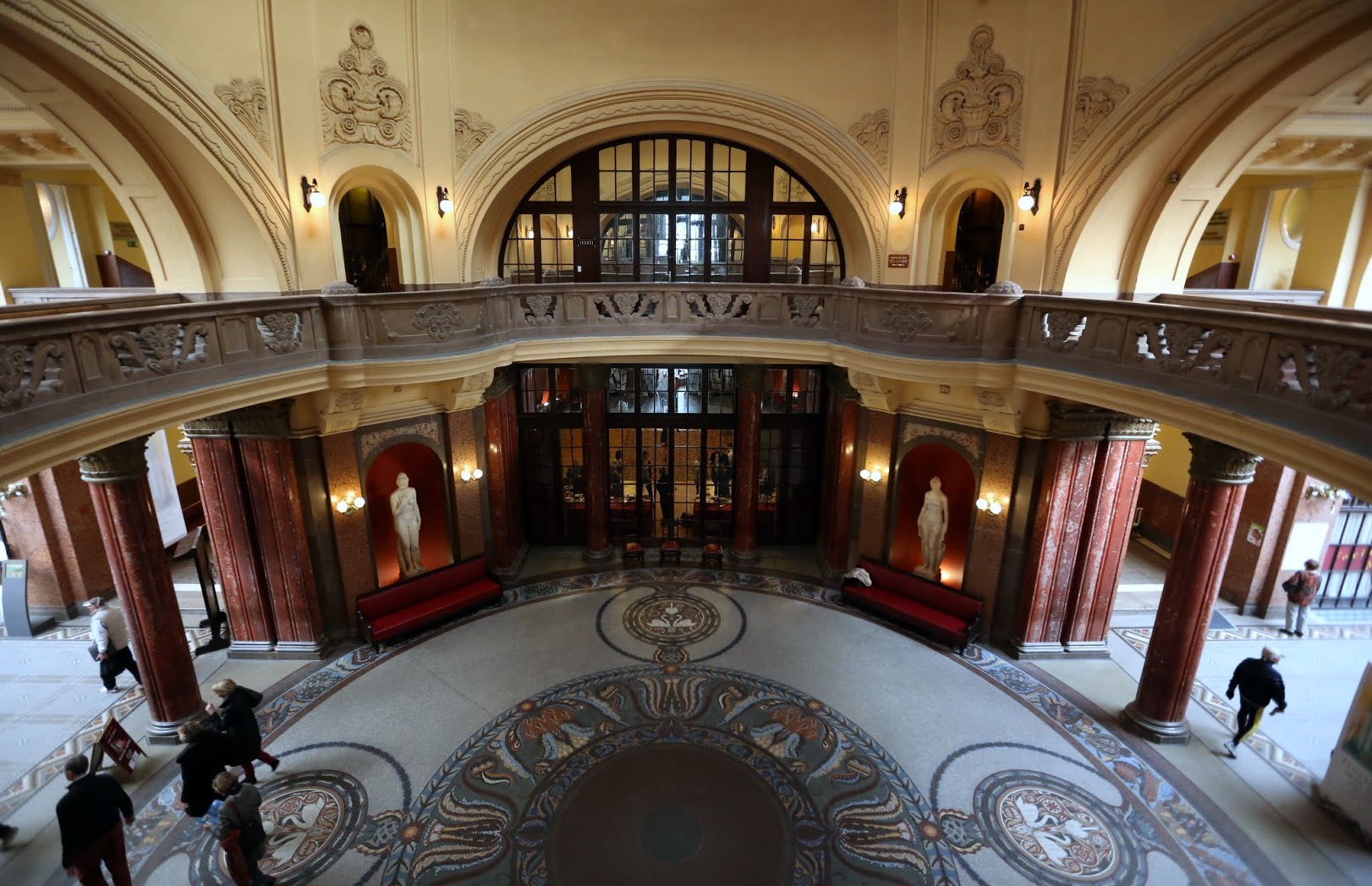
The Gellért Baths are housed within the legendary Art Nouveau Gellért Hotel and have been one of Budapest's premier bathing destinations since 1918. The main indoor thermal pool, with its Roman-style colonnades, stained glass ceiling, and marble statues, is considered one of the most beautiful bathing halls in Europe. The complex includes gender-separated indoor thermal pools, an outdoor pool with a wave machine (seasonal), saunas, steam rooms, and a full range of massage and wellness treatments. The thermal waters emerge at 43–44°C and are recommended for the treatment of locomotor disorders, chronic arthritis, and post-operative rehabilitation. The Gellért is a favourite of both locals and international visitors seeking a truly grand bathing experience.
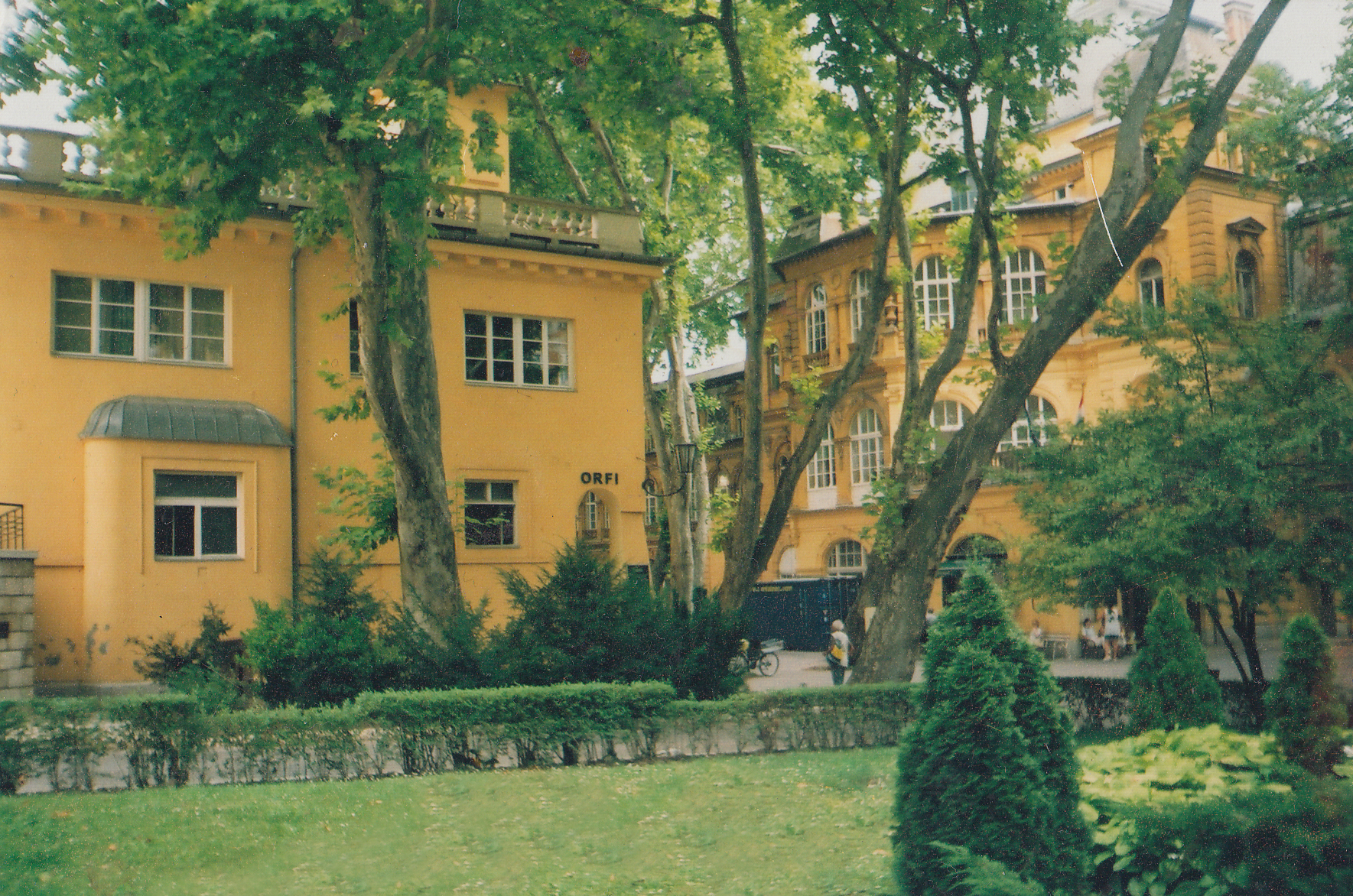
Lukács is Budapest's most authentically local thermal bath — less touristic than Széchenyi or Gellért, and beloved by Budapestians for its relaxed, neighbourhood atmosphere. The complex, which dates to the 12th century in various forms and was redeveloped in the 19th century, features outdoor thermal and swimming pools, indoor medicinal pools, mud baths, and a full suite of physiotherapy and massage services. Lukács is unusual in having a genuine medical department: doctors are on site, and the baths are used as part of physical rehabilitation programmes. The grounds include a courtyard garden where regulars display plaques of thanks for recovery from illness — a touching Hungarian bathing tradition. Thermal springs reach 22–54°C.
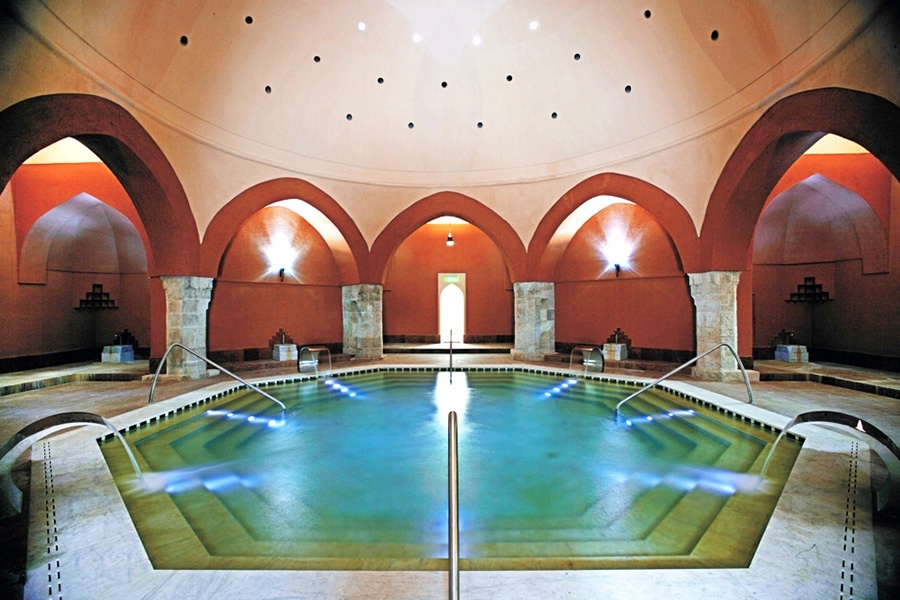
Veli Bej is Budapest's best-kept bathing secret — a beautifully restored 16th-century Ottoman bath that was reopened in 2012 after decades of closure. Originally built around 1574, the bath features five domed pools fed by a spring at 43°C, with the water cooled to range from 26–38°C across the pools. The renovation preserved all of the historical architecture while adding a modern wellness wing with saunas, steam rooms, massage cabins, and a relaxation area. The result is arguably Budapest's most intimate and architecturally pure Turkish bath experience. Advance booking is strongly recommended as the bath's small capacity means it fills quickly, particularly at weekends.
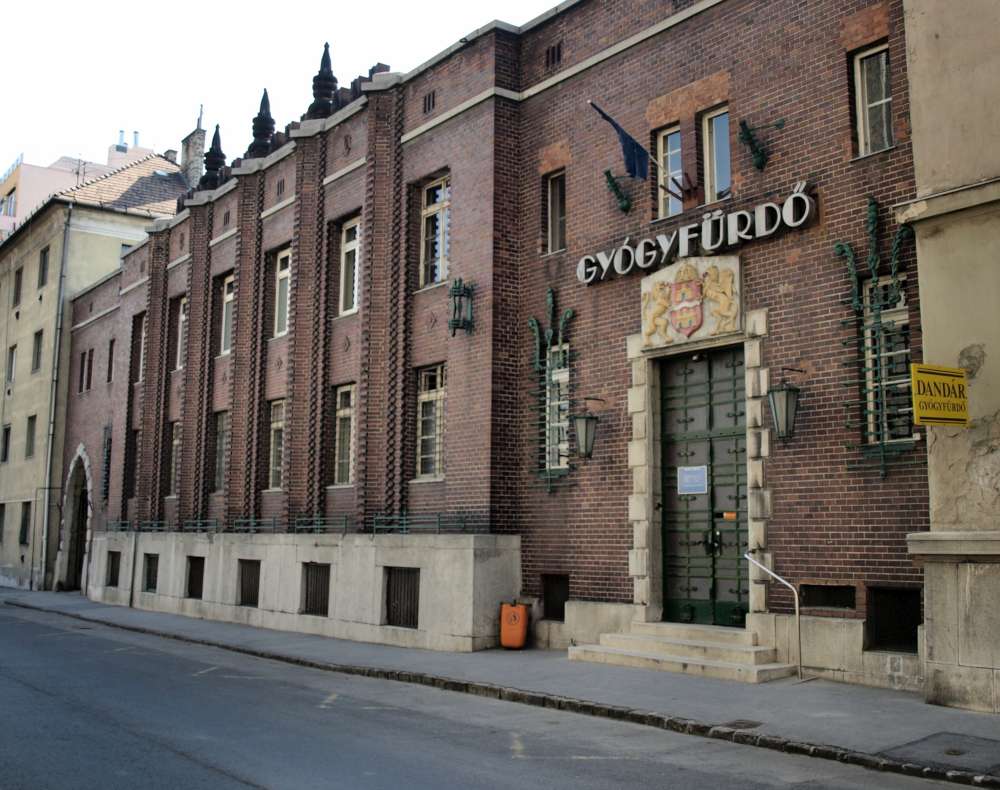
Dandár is a neighbourhood thermal bath in Budapest's 9th district, popular with locals and largely off the tourist trail. Built in 1930 in functionalist style, it offers a warm, unpretentious bathing experience with thermal and swimming pools at 34–38°C. The bath underwent renovation in 2017, modernising its facilities while retaining its local character. Dandár is a great choice for visitors who want to experience thermal bathing as Budapestians actually do it — without the crowds or premium pricing of the major tourist baths. An outdoor thermal pool opens in summer. The surrounding Ferencváros neighbourhood is also one of Budapest's most interesting, with excellent restaurants and the Great Market Hall nearby.
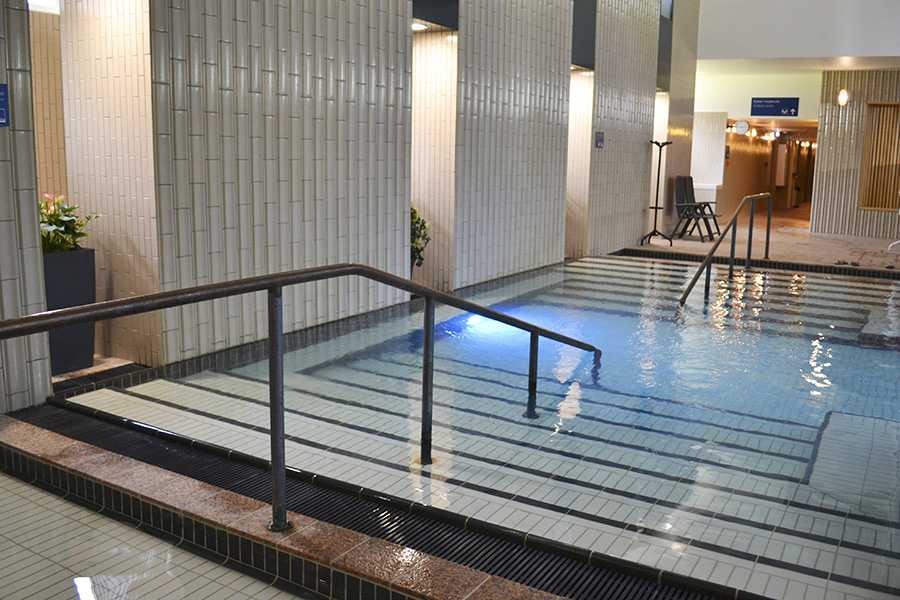
Palatinus is Budapest's largest open-air bathing complex, set on the green shores of Margaret Island in the middle of the Danube. Opened in 1919, Palatinus is the city's summer bathing institution, attracting up to 10,000 visitors on hot days. The complex features thermal pools fed by the island's own springs (at 36–52°C), multiple swimming pools including a 50-metre competition pool, a wave pool, water slides, sunbathing terraces, and a children's section. The setting on car-free Margaret Island — surrounded by parkland, jogging paths, and rose gardens — makes Palatinus a genuine destination in itself. The baths are seasonal, typically open May to September.
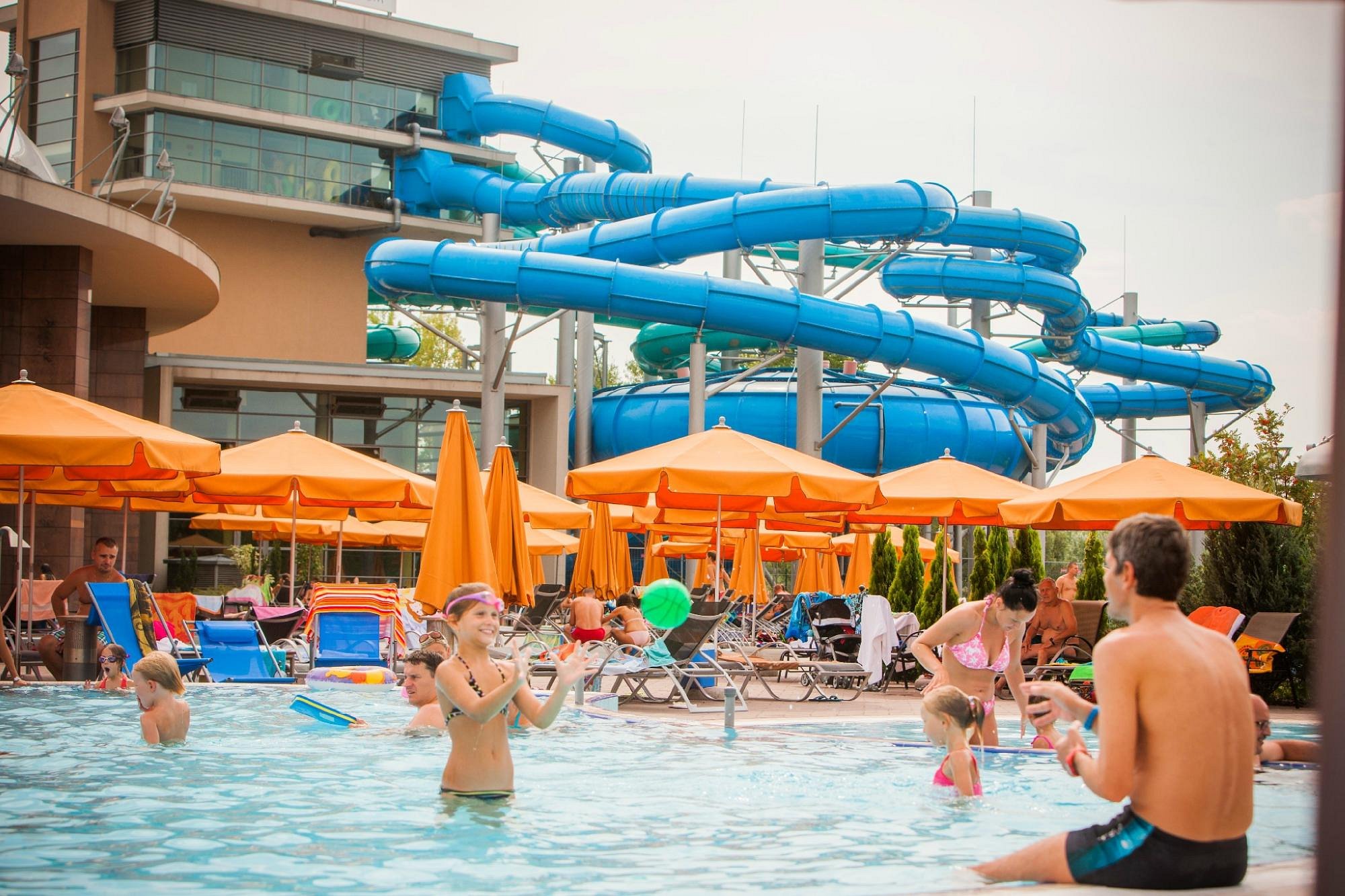
Aquaworld is Central Europe's largest covered water park and thermal complex, located in northern Budapest near the Puskás Aréna. The colossal 66,000 m² facility combines thermal bathing with an adventure water park, featuring water slides (including the 110-metre Kamikaze), wave pools, tropical theme pools, thermal pools at 36–38°C, a dedicated wellness area with saunas and massage services, and a children's water playground. The thermal section draws on Budapest's geothermal springs with mineral content beneficial for locomotor conditions. The attached Aquaworld Resort hotel means you can stay overnight and enjoy unlimited access to the pools. An excellent option for families and those wanting a modern wellness experience.
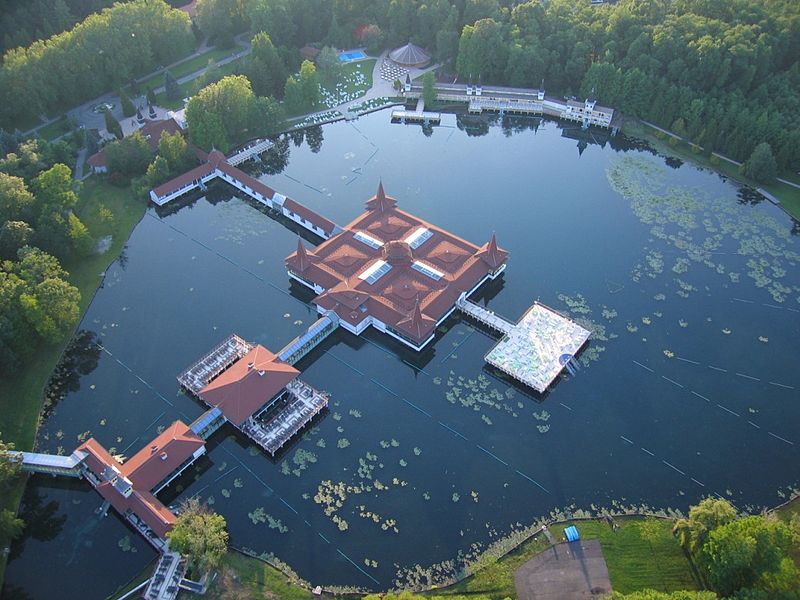
Hévíz is one of the world's great natural wonders — the largest biologically active natural thermal lake on earth, covering 4.4 hectares near Lake Balaton in western Hungary. The lake's spring, 38 metres below the surface, pumps 80 million litres of water every day at 38–41°C, keeping the surface temperature at 23–25°C in winter and 32–34°C in summer. The lake can be bathed in year-round. The sulphurous, slightly radioactive mineral water is medically proven to benefit arthritis, locomotor disorders, inflammatory diseases, and post-operative recovery. The lake is surrounded by a covered bathing pavilion with wooden walkways, changing cabins, and a central spa and therapy centre. The town of Hévíz itself has numerous hotels offering thermal treatment packages.
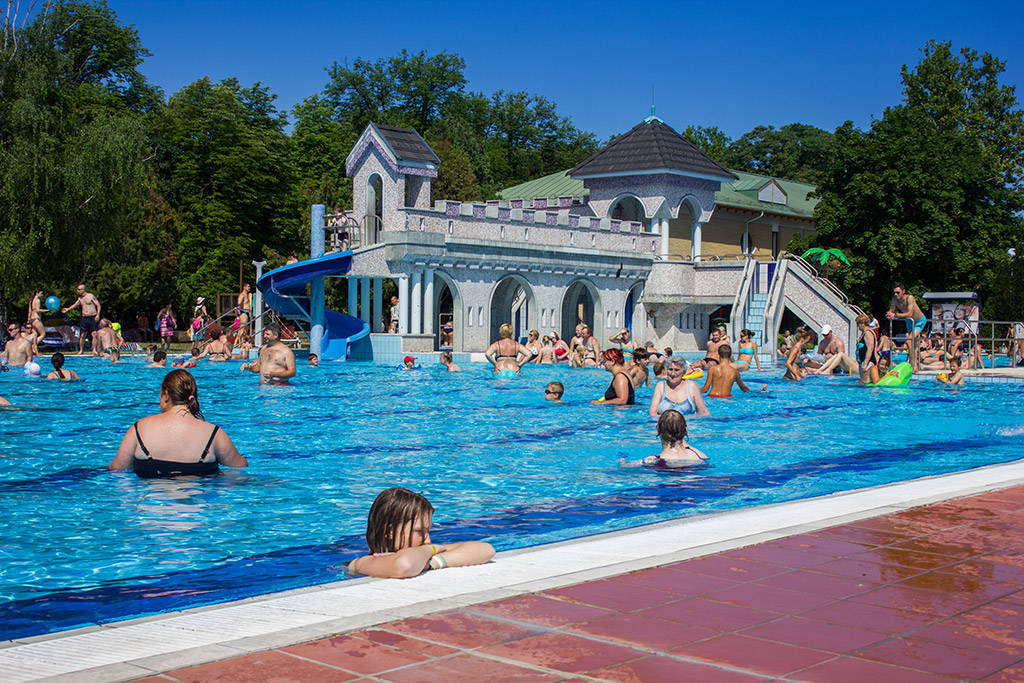
Eger's thermal baths take advantage of the springs that supply this historic baroque city in northern Hungary. The main public thermal complex sits just outside the old town and features indoor and outdoor thermal pools at 31–36°C, as well as swimming pools, saunas, and treatment facilities. The waters contain calcium, magnesium, bicarbonate and fluoride and are recommended for joint and locomotor conditions. Eger is one of Hungary's most attractive provincial cities — home to a magnificent castle, Ottoman minarets, and the wine cellars of the famous Valley of the Beautiful Women — making the thermal baths a natural part of a longer stay. The bath is popular with both locals and the growing number of wellness visitors to the region.
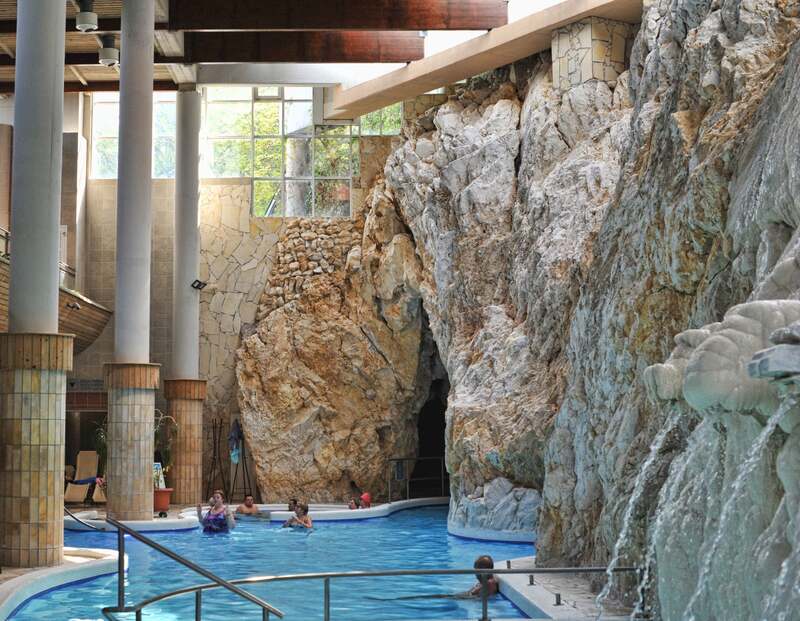
Miskolctapolca is Hungary's most unique bathing experience — thermal pools built inside a network of natural limestone caves. The caves were discovered in the 19th century and developed into a bathing facility in 1959. Visitors swim through illuminated cave passages and chambers, with the thermal water (30–33°C) flowing through the natural rock formations. The cave system extends for approximately 700 metres and includes both covered and open sections. Above ground, a larger outdoor adventure pool complex complements the underground experience. The mineral content of the water — including calcium, magnesium, sulphate and hydrogen carbonate — is beneficial for respiratory conditions and locomotor disorders. An entirely one-of-a-kind bathing experience not found anywhere else in Europe.
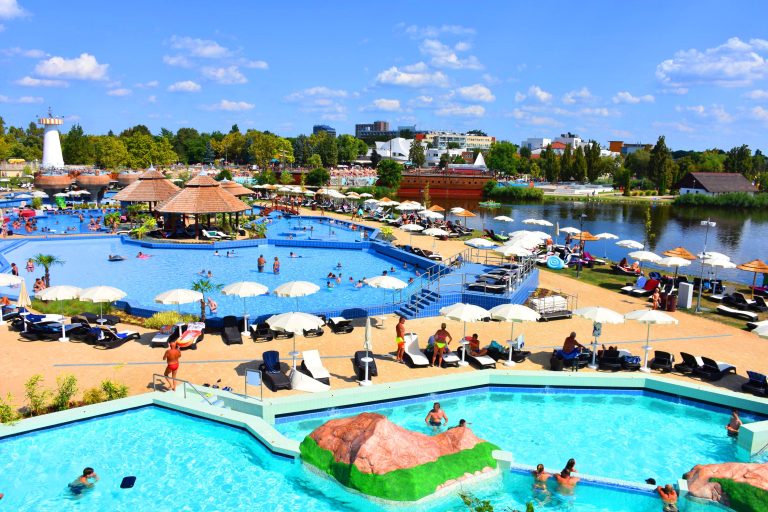
Hajdúszoboszló is Hungary's most popular thermal resort town and one of the largest spa complexes in Central Europe. The thermal spring was discovered in 1925 during oil exploration — the water that gushed up at 73°C turned out to have extraordinary medicinal properties. Today the Hungarospa complex covers 30 hectares and includes over 30 pools: indoor and outdoor thermal pools, swimming pools, adventure pools, water slides, a wave pool, solaria, medical treatment departments, and full wellness facilities. The iodine-bromine-sodium chloride water is world-renowned for treating locomotor, degenerative, and inflammatory conditions, as well as gynaecological disorders. Hungarospa operates as both a medical spa and a leisure complex, accommodating over a million visitors per year.