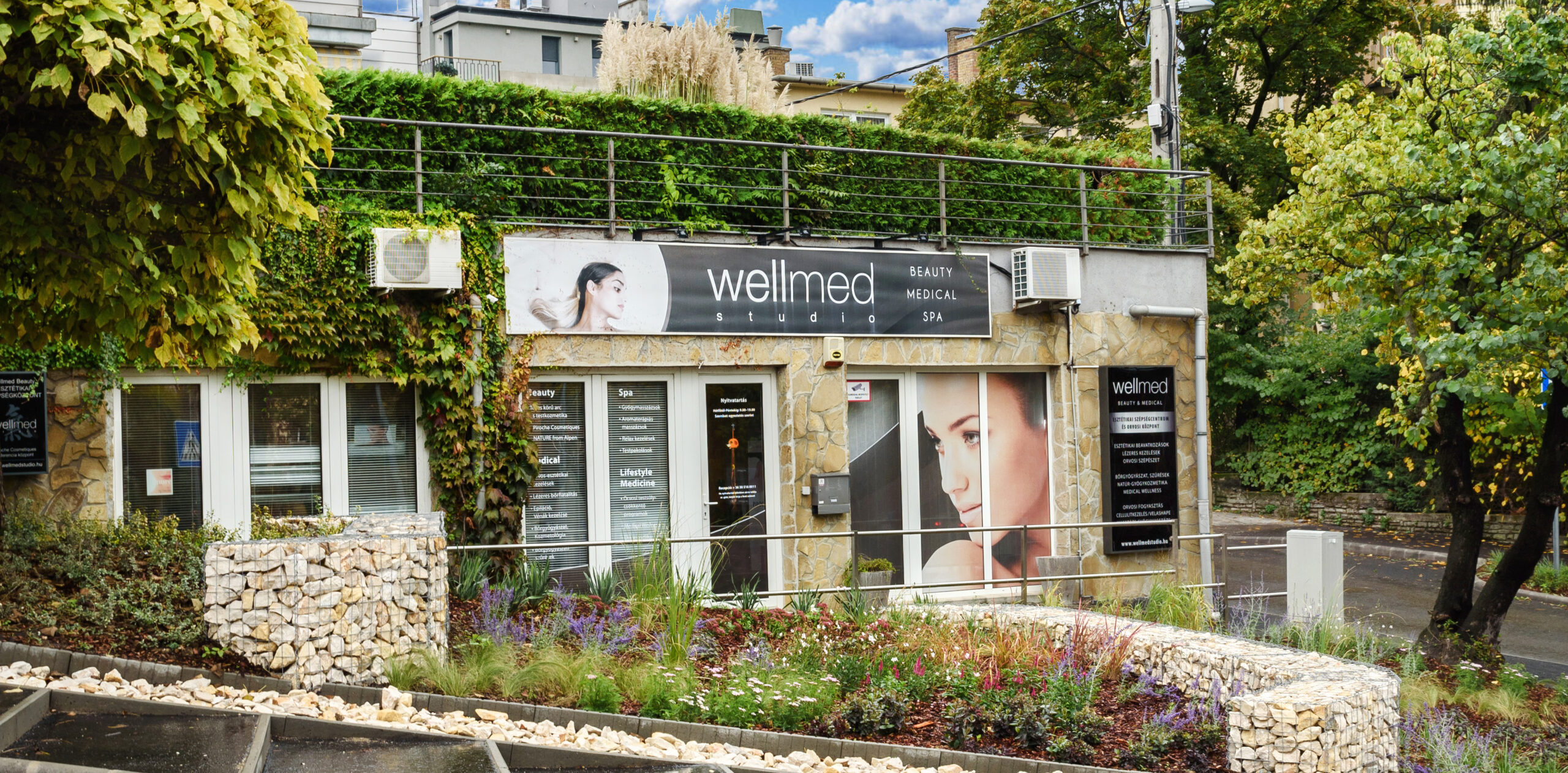


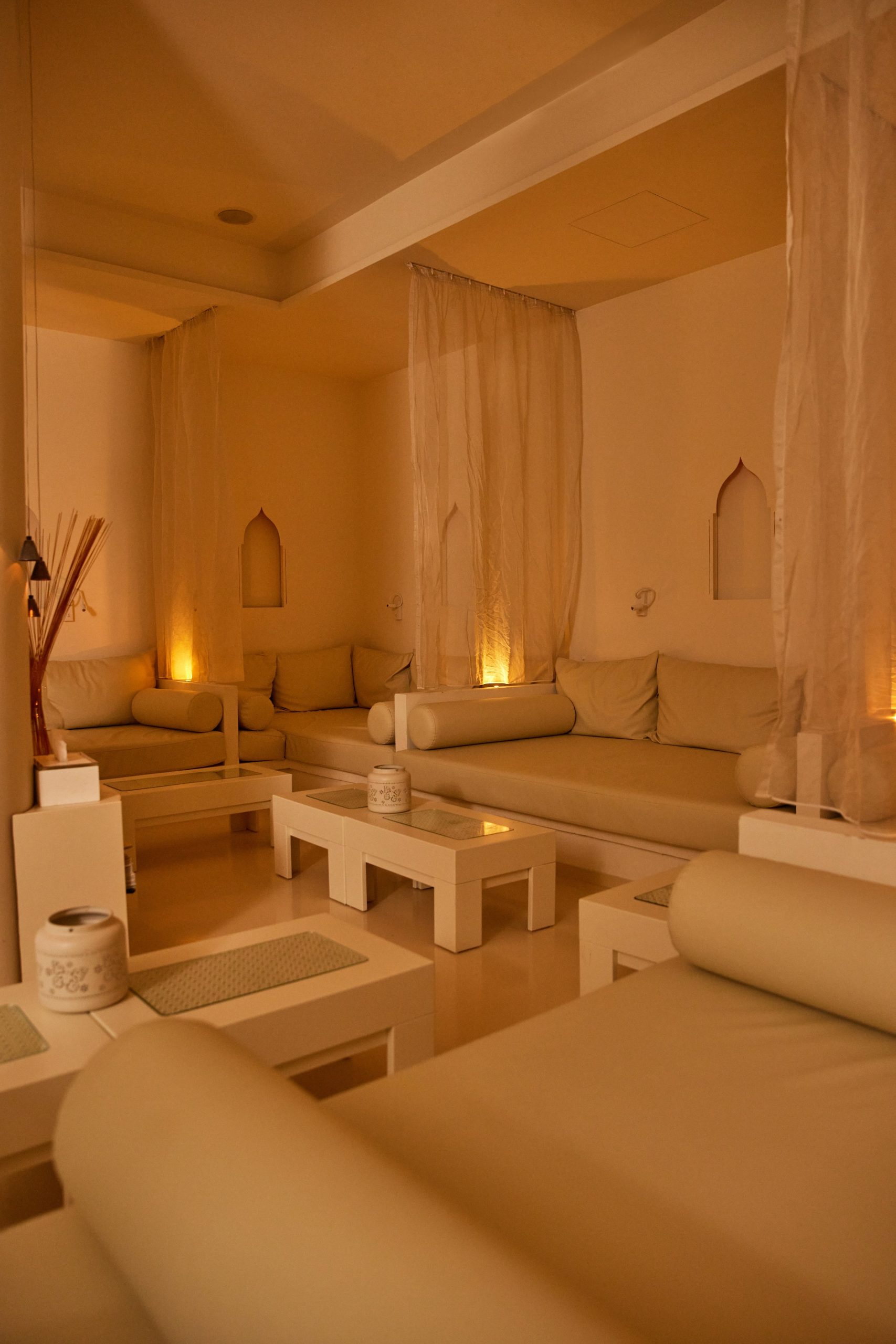
Day Spa's
Day Spas: An Everyday Escape for Body and Mind
A day spa is a sanctuary of wellbeing — a dedicated space where people step away from the noise and demands of daily life to receive professional therapeutic and beauty treatments in a calm, nurturing environment. Unlike destination or resort spas, which are tied to overnight accommodation, a day spa is accessible to anyone, offering its restorative services on a walk-in or appointment basis. It is wellness made democratic: a place where profound relaxation and expert care are available not just on holiday, but as a regular part of a balanced, health-conscious life.
Origins and History
The concept of dedicated spaces for bathing, relaxation, and bodily care is ancient. The Roman thermae, the Ottoman hammam, the Japanese onsen, and the Korean jjimjilbang all reflect a universal human instinct to gather in places of warmth and restoration. The modern day spa, however, is a distinctly twentieth-century invention. It emerged in Europe and North America during the 1970s and 1980s, evolving from beauty salons and health clubs as consumer interest in holistic wellbeing expanded beyond simple grooming. The word spa itself is widely believed to derive from the Belgian town of Spa, renowned since the fourteenth century for its iron-rich mineral waters and their healing properties. By the 1990s, the day spa model had spread globally, professionalising rapidly and broadening its menus far beyond facials and manicures to encompass a wide spectrum of therapeutic bodywork, hydrotherapy, and wellness rituals.
What a Day Spa Offers
The strength of a day spa lies in the breadth and complementarity of its services, allowing guests to curate a personalised experience that addresses their specific needs on any given day.
Massage therapies form the backbone of most day spa menus. Swedish, deep tissue, hot stone, aromatherapy, Thai, sports, and prenatal massage are common offerings, each serving a different therapeutic purpose and catering to different bodies and preferences.
Facial treatments cleanse, exfoliate, hydrate, and treat the skin using professional-grade products and techniques far beyond what is achievable at home. From express facials to advanced anti-ageing protocols, these treatments are tailored to individual skin types and concerns.
Body treatments such as scrubs, wraps, and polishes use mineral clays, sea salts, algae, and botanical ingredients to deeply cleanse the skin, draw out impurities, improve circulation, and leave the body feeling profoundly renewed.
Hydrotherapy — including steam rooms, infrared saunas, flotation tanks, and vichy showers — uses water in its various forms to detoxify, relax muscles, and stimulate the nervous system.
Nail and beauty services, waxing, and tinting round out the menu, ensuring guests can address aesthetic needs alongside therapeutic ones in a single visit.
Many day spas also offer wellness packages and ritual journeys that combine several treatments into a half-day or full-day experience, allowing deep, unhurried restoration.
The Benefits
The benefits of regular day spa visits extend well beyond surface-level pampering. Physiologically, professional treatments improve circulation, relieve chronic muscular tension, support the immune system, and promote skin health. Psychologically, the structured time away from screens, responsibilities, and stress is itself deeply therapeutic — research consistently links regular relaxation practices with reduced cortisol levels, improved sleep, and greater emotional resilience. For many people, a monthly or seasonal spa visit functions as a form of preventive healthcare, addressing tension and fatigue before they become entrenched.
Day Spas in Hungary
Hungary is exceptionally well-suited to the day spa culture, underpinned by one of the richest bathing traditions in Europe. Budapest alone sits atop more than 120 thermal springs, and the country's centuries-old relationship with water-based healing means that the philosophy of dedicated time for bodily restoration is deeply embedded in Hungarian culture. Modern day spas have flourished across Budapest and the wider country, ranging from intimate boutique studios in the city's historic districts to expansive luxury wellness centres in five-star hotels. Treatments that blend international modalities — Thai massage, Balinese rituals, Himalayan salt therapy — with Hungarian thermal and herbal traditions have proven particularly popular, creating a spa culture that is both cosmopolitan and distinctly local. As health consciousness continues to rise among Hungarian consumers, the day spa sector shows no sign of slowing, firmly establishing itself as an essential pillar of the country's thriving wellness industry.