

Sports Massage
Sports Massage: Performance, Recovery, and Resilience
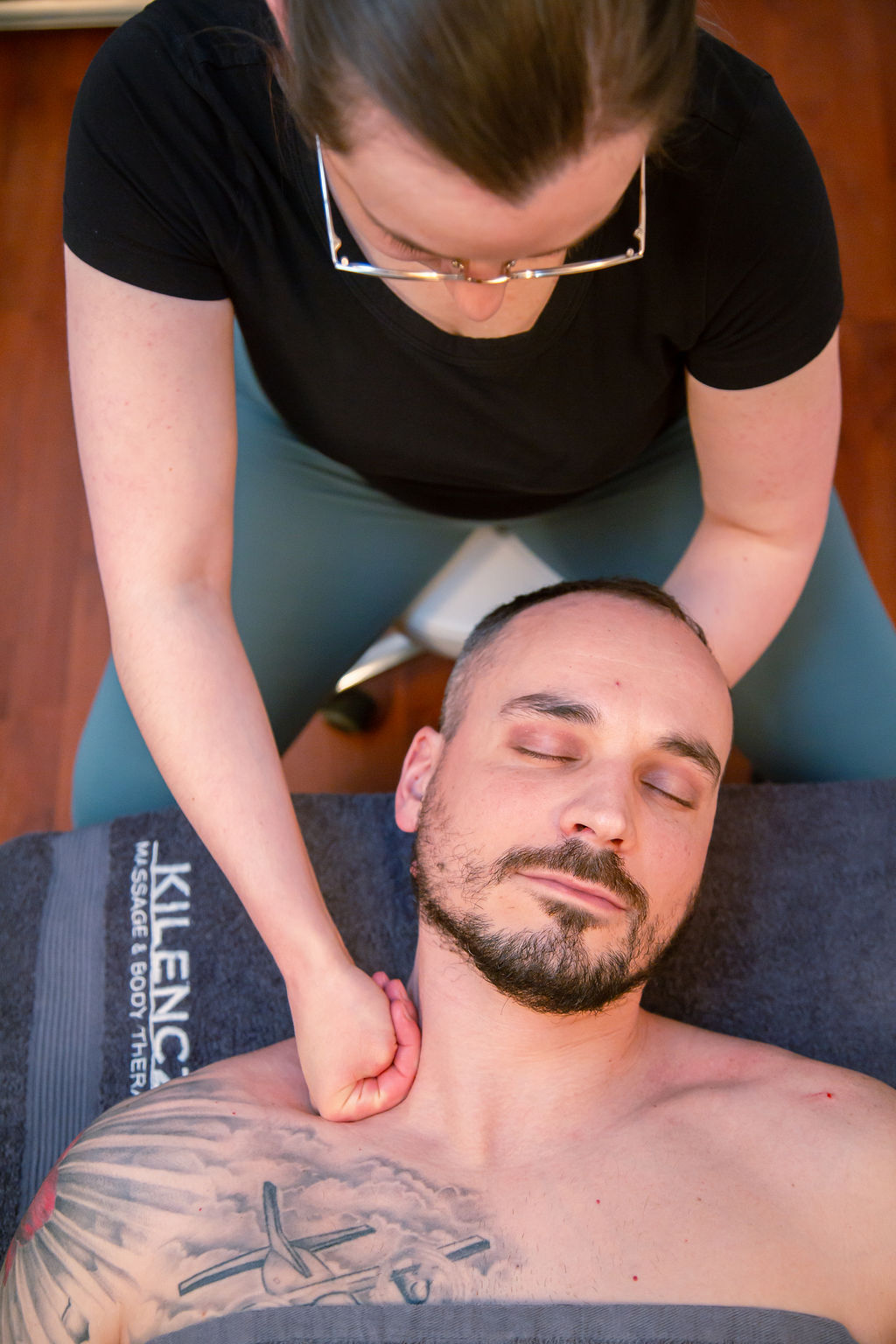
Sports massage is a specialised, results-driven therapeutic practice designed to support the physical demands of athletic training, competition, and recovery. It is a treatment built around performance — understanding how the body moves, where it accumulates stress under load, and how targeted manual therapy can keep it functioning at its highest level. Whether applied to a professional athlete preparing for competition, an amateur runner nursing a recurring injury, or an active individual managing the wear of a physically demanding life, sports massage meets the body where it is and works purposefully toward where it needs to be.
Origins and History
The use of massage to support athletic performance has roots stretching back to antiquity. Ancient Greek and Roman athletes were routinely prepared for competition by trainers who applied oils and manual manipulation to warm and condition the muscles — practices described in detail by physicians including Galen and Hippocrates, who recognised the relationship between soft tissue health and physical capability. In the modern era, sports massage began to take formal shape in the early twentieth century, gaining particular momentum in Europe where it was adopted by athletic trainers working with Olympic and professional sports teams. By the mid-twentieth century, Soviet and Eastern European sports programmes had developed highly systematic approaches to massage as part of integrated athletic conditioning, research that significantly influenced Western practice. The discipline was professionalised and codified during the 1970s and 1980s alongside the global running and fitness boom, eventually earning formal recognition within sports medicine and physiotherapy frameworks across the world.
How It Works
Sports massage draws on a broad toolkit of techniques, selecting and combining them according to the athlete's specific needs, training phase, and presenting condition. Effleurage and petrissage strokes warm the tissue and promote circulation, while deep transverse friction targets specific tendons and ligament attachments prone to overuse injury. Neuromuscular techniques address trigger points and muscle inhibition, and assisted stretching maintains and improves the range of motion essential to athletic movement. Compression and tapotement techniques are used in pre-event contexts to stimulate and prepare the neuromuscular system.
Timing is a defining characteristic of sports massage, and treatments are typically categorised by their relationship to activity. Pre-event massage, delivered in the hours before competition, is brisk, stimulating, and relatively brief, designed to increase circulation, sharpen neuromuscular readiness, and focus the athlete mentally. Post-event massage, applied after competition or intense training, is slower and more restorative, flushing metabolic waste products from fatigued tissue and beginning the recovery process. Maintenance massage, conducted between training sessions, is the most thorough form, addressing accumulated tension, identifying developing problem areas, and preserving the muscular balance and tissue quality that underpin consistent performance.
The Benefits
The benefits of regular sports massage span the full arc of athletic life. In training, it reduces muscle soreness, accelerates recovery between sessions, and allows athletes to sustain higher training volumes without accumulating the tissue damage that leads to injury. It improves flexibility and joint range of motion, corrects muscular imbalances that develop through repetitive movement patterns, and maintains the health of tendons and connective tissue — structures that are slow to adapt to training loads and disproportionately vulnerable to overuse. In rehabilitation, sports massage plays a valuable role in the managed recovery from strains, sprains, and soft tissue injuries, reducing scar tissue formation and restoring functional movement. Psychologically, it reduces pre-competition anxiety, supports focus, and gives athletes a tangible sense of physical preparedness that contributes meaningfully to confidence and mental readiness.
Sports Massage in Hungary
Hungary's strong and diverse sporting culture has provided fertile ground for sports massage to flourish. The country has a proud tradition of excellence across athletics, swimming, water polo, fencing, and team sports, and the physical preparation and recovery needs of competitive athletes at every level have driven consistent demand for skilled sports massage practitioners. Budapest and Hungary's regional sporting hubs are home to a growing number of specialist sports massage therapists working in dedicated clinics, fitness centres, and in direct partnership with sports clubs and academies. Hungarian sports medicine has increasingly embraced massage as an evidence-informed component of athlete care, and professional training programmes across the country reflect this by producing therapists with a strong grounding in anatomy, biomechanics, and injury management. Beyond elite sport, the rapid growth of recreational fitness culture in Hungary — running clubs, cycling communities, CrossFit, and outdoor sports — has expanded the market considerably, bringing sports massage to a broad and enthusiastic audience that understands the value of keeping the body performing at its best.