


Deep Tissue Massage
Deep Tissue Massage: Reaching the Root of Tension
Deep tissue massage is a powerful, clinically oriented therapeutic practice that targets the deeper layers of muscle tissue and connective fascia to address chronic pain, structural tension, and musculoskeletal dysfunction. It is the treatment of choice for those who carry the accumulated physical burden of demanding lifestyles, athletic training, postural imbalance, or long-standing injury. More than simply a firmer version of Swedish massage, deep tissue work is a precise, purposeful therapy that demands significant skill and anatomical knowledge from the practitioner — and delivers results that are felt long after the session ends.
Origins and History
The foundations of deep tissue massage are rooted in the broader history of Western massage therapy, which was systematised in the early nineteenth century by Swedish physiologist Per Henrik Ling, whose work established the principles of therapeutic soft tissue manipulation that underpin most massage modalities practised today. However, deep tissue massage as a distinct discipline began to take shape in the mid-twentieth century. Canadian physician Therese Bertram and American massage therapist Ida Rolf — the pioneer of Rolfing, a related form of deep connective tissue work — were among the key figures who advanced the understanding of how sustained, targeted pressure applied to deeper muscular and fascial structures could produce lasting therapeutic change. By the 1970s and 1980s, deep tissue techniques had been formalised into professional training curricula across North America and Europe, and the modality steadily earned recognition within mainstream healthcare and sports medicine.How It Works
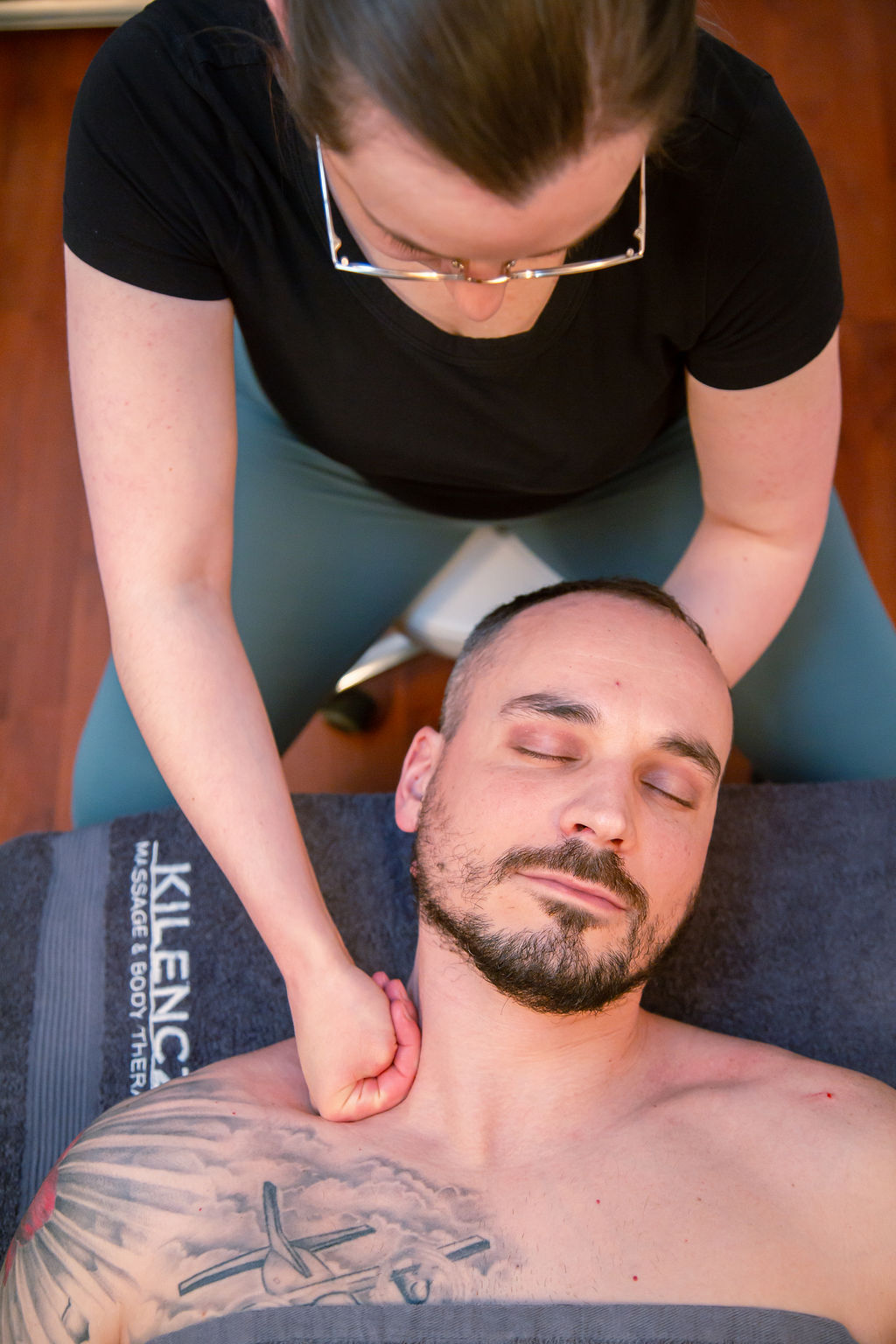
Deep tissue massage employs slow, deliberate strokes and sustained directional pressure applied with the thumbs, knuckles, forearms, and elbows to penetrate beyond the superficial muscle layers and reach the deeper musculature and fascial sheaths beneath. The therapist works systematically to identify and release adhesions — commonly known as knots — which are dense bands of contracted, poorly perfused tissue that restrict movement, cause pain, and alter posture. Friction techniques applied across the grain of the muscle fibre are used to break down scar tissue and restore healthy alignment to collagen fibres within the fascia.
A degree of discomfort during treatment is normal and expected, particularly in areas of significant restriction, though a skilled therapist will always work within the client's tolerance and communicate throughout the session. It is common to experience some muscle soreness in the day or two following deep tissue work — a sign that meaningful physiological change has been initiated — before a pronounced sense of release, improved mobility, and reduced pain emerges.
The Benefits
The therapeutic benefits of deep tissue massage are substantial and well-documented. It is highly effective in the treatment of chronic lower back pain, neck and shoulder tension, sciatica, repetitive strain injuries, and the postural imbalances that develop from prolonged sitting or physically demanding work. By breaking down adhesions and improving blood flow to restricted tissue, it accelerates the healing of soft tissue injuries and reduces inflammation. Athletes rely on it heavily to manage training loads, prevent injury, and maintain the muscular health required for peak performance. Beyond the physical, the release of deep-seated chronic tension frequently produces a powerful sense of emotional relief — many clients report a feeling of lightness and mental clarity following treatment, as the body finally lets go of patterns it has been holding, sometimes for years.
Deep Tissue Massage in Hungary
Deep tissue massage has become one of the most requested therapeutic treatments in Hungary, reflecting a broader shift in how Hungarian consumers approach massage — less as occasional indulgence and increasingly as an essential component of physical health maintenance. In Budapest and across the country's major cities, specialist deep tissue practitioners are in high demand among office workers contending with the postural consequences of desk-bound careers, as well as among Hungary's active sporting population. The growing network of professional massage training institutions in Hungary has placed increasing emphasis on deep tissue techniques, producing a new generation of highly skilled therapists capable of delivering genuinely clinical results. As awareness of its therapeutic value continues to spread, deep tissue massage has secured its position as one of the cornerstones of Hungary's dynamic and rapidly evolving wellness sector.